The Comprehensive Guide to Foenegriek (Fenugreek): Uses, Benefits, and More

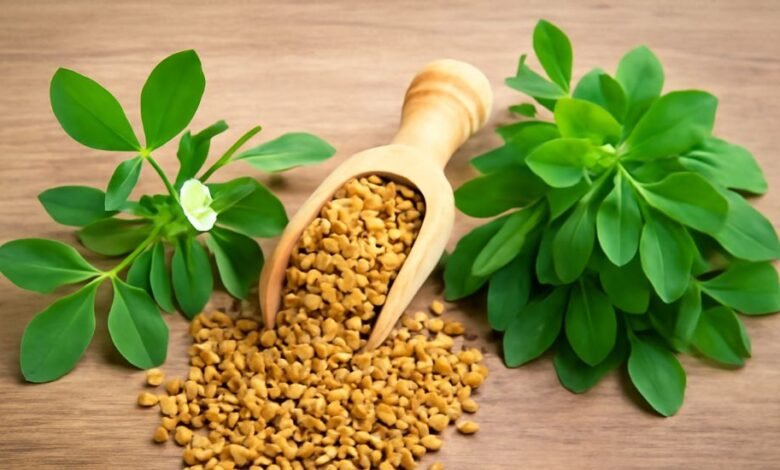
Fenugreek, known as Trigonella foenum-graecum in scientific circles, is an ancient herb with a rich history and a wide array of health benefits. Commonly referred to as “foenegriek” in Dutch and several other languages, this herb has made its mark not just in culinary traditions but also in natural medicine. From its nutritional content to its therapeutic uses, foenegriek is a powerhouse of health benefits. In this article, we’ll delve deeply into the many facets of foenegriek, exploring its historical significance, health benefits, culinary uses, and even its modern-day applications. Additionally, we will address safety concerns and side effects, providing a well-rounded view of this fascinating plant.
Introduction to Foenegriek
Foenegriek is a versatile plant that belongs to the legume family, Fabaceae. While it’s grown in many parts of the world today, it has its origins in the Mediterranean region, parts of Asia, and the Middle East. The name “fenugreek” is derived from the Latin foenum graecum, meaning “Greek hay.” This name reflects its early use in Greek culture, where its hay was fed to livestock. Over centuries, it has traveled across the globe, finding its place in kitchens, herbal medicine cabinets, and skincare products alike.
Fenugreek seeds, which are small, yellow-brown in color, and triangular in shape, are the most utilized part of the plant. The leaves are also used in culinary applications, particularly in South Asian and Mediterranean cuisines.
The Nutritional Profile of Foenegriek
Fenugreek is a nutritional powerhouse. A 100-gram serving of fenugreek seeds contains approximately:
- 23 grams of protein
- 24 grams of fiber
- 6.4 grams of fat
- 58 grams of carbohydrates
- Significant amounts of essential minerals like iron, magnesium, phosphorus, and potassium
These nutrients make fenugreek an excellent choice for supporting overall health, especially for vegetarians and vegans looking to boost their plant-based protein intake. Additionally, fenugreek seeds contain several key bioactive compounds such as 4-hydroxyisoleucine, diosgenin, and galactomannan, which contribute to its medicinal properties.
Health Benefits of Foenegriek
Fenugreek has been studied for its numerous health benefits, many of which are linked to its nutritional and chemical composition. Let’s explore some of the most well-known health benefits of foenegriek.
1. Blood Sugar Control and Diabetes Management
One of the most celebrated benefits of fenugreek is its ability to help regulate blood sugar levels, making it an important herb for those managing diabetes, particularly Type 2 diabetes. Fenugreek seeds contain soluble fiber, which can slow down the absorption of carbohydrates, leading to more stable blood sugar levels. Additionally, the amino acid derivative 4-hydroxyisoleucine found in fenugreek may enhance insulin secretion and improve insulin sensitivity.
Several studies have shown promising results, indicating that fenugreek can reduce fasting blood sugar levels and improve glycemic control. However, it’s important to consult a healthcare provider before incorporating fenugreek into a diabetes treatment plan, as more high-quality research is needed to establish its long-term efficacy.
2. Cholesterol and Heart Health
Fenugreek is also known for its potential to support heart health by improving lipid profiles. Some studies have suggested that fenugreek seeds can lower LDL (bad) cholesterol levels while increasing HDL (good) cholesterol levels. This effect is believed to be due to fenugreek’s ability to reduce cholesterol absorption in the intestines and its impact on bile acid production.
While these findings are promising, further clinical trials are needed to confirm fenugreek’s effectiveness in preventing cardiovascular diseases. Nonetheless, its potential to improve cholesterol levels makes it a valuable addition to a heart-healthy diet.
3. Digestive Health
The high fiber content in fenugreek seeds supports digestive health by promoting bowel regularity and improving overall gut function. The soluble fibers in fenugreek absorb water in the intestines, creating a gel-like substance that helps in the smooth movement of stool. This can be especially beneficial for those suffering from constipation or digestive discomfort.
Fenugreek’s mucilaginous properties also soothe irritation in the gastrointestinal tract, making it helpful for conditions like acid reflux or gastritis. Some individuals use fenugreek as a mild natural remedy for digestive disorders, though it is always advisable to speak with a healthcare professional for serious conditions.
4. Support for Lactating Women
Fenugreek has long been used as a galactagogue, a substance that promotes breast milk production in nursing mothers. The herb is rich in phytoestrogens, plant compounds that mimic estrogen in the body, which may stimulate milk production. Several small studies and anecdotal evidence support this claim, with many mothers swearing by fenugreek’s ability to boost milk supply.
However, it is important to note that while fenugreek may be effective for some women, results can vary, and not every breastfeeding mother will experience an increase in milk production.
5. Hormonal Balance and Menstrual Health
Fenugreek’s phytoestrogen content is also thought to help balance hormones in women, especially those dealing with symptoms of PMS (premenstrual syndrome) or menopause. By mimicking estrogen, fenugreek may alleviate some of the symptoms associated with these hormonal changes, such as mood swings, cramps, and hot flashes.
As with any herbal remedy, it’s important to use fenugreek with caution and consult with a healthcare provider, especially for women with hormone-sensitive conditions like breast cancer.
6. Men’s Health and Libido
For men, fenugreek may offer benefits related to sexual health and libido. Research has shown that fenugreek supplementation can increase testosterone levels in men, leading to improvements in sexual desire and performance. Some studies also suggest that fenugreek can enhance athletic performance by increasing energy and stamina, likely due to its effects on hormone levels.
While these effects are promising, it is essential to keep in mind that not all men will experience the same results, and supplementation should always be done in consultation with a healthcare provider.
Culinary Uses of Foenegriek
Fenugreek is a staple in many culinary traditions, particularly in South Asian, Middle Eastern, and Mediterranean cuisines. The seeds are often used as a spice, either ground or whole, and are a key ingredient in curry powders, pickles, and spice blends. The leaves, known as “methi,” are used fresh or dried in vegetable dishes, stews, and breads.
In addition to its flavor-enhancing properties, fenugreek has a slightly bitter taste, which can be mellowed by roasting the seeds. Roasting fenugreek seeds brings out a nuttier flavor and reduces their inherent bitterness, making them a great addition to a variety of dishes.
Fenugreek tea is another popular preparation, where seeds are soaked overnight and then boiled in water to create a medicinal brew. Some individuals add honey or lemon to enhance the flavor and further promote the herb’s health benefits.
Potential Side Effects and Precautions
While fenugreek is generally considered safe when used in moderate amounts, there are a few side effects and precautions to keep in mind. Some individuals may experience gastrointestinal upset, including bloating, gas, or mild diarrhea when taking large doses of fenugreek seeds. It is best to start with a small amount and gradually increase the dosage to avoid digestive discomfort.
Fenugreek is known to have a distinctive odor that can be similar to maple syrup, which is harmless but can be surprising. Additionally, pregnant women should avoid high doses of fenugreek, as it may stimulate uterine contractions. Individuals with allergies to legumes (such as peanuts, beans, or lentils) should exercise caution when using fenugreek.
As always, if you are taking any medications, especially for diabetes or blood thinners, it is crucial to consult with your healthcare provider before adding fenugreek to your routine, as it may interact with certain drugs.
Conclusion
Foenegriek (fenugreek) is a remarkable herb that has stood the test of time, offering a wide range of benefits for health, wellness, and culinary purposes. Whether used to regulate blood sugar levels, improve heart health, support lactation, or enhance sexual health, fenugreek proves to be a versatile and valuable addition to any natural health regimen.
From its rich history to its modern applications in everything from supplements to skincare, foenegriek is a herb that deserves more attention. As with any natural remedy, it’s important to use it responsibly and consult with a healthcare professional before beginning any new treatment.
For more information on this amazing herb and many other wellness tips, be sure to visit my blog, ScrollBlogs, where we dive deep into the world of natural health and holistic living.