7203274044 Melissa: The Mystery Behind a Viral Phone Number and Digital Scam Awareness

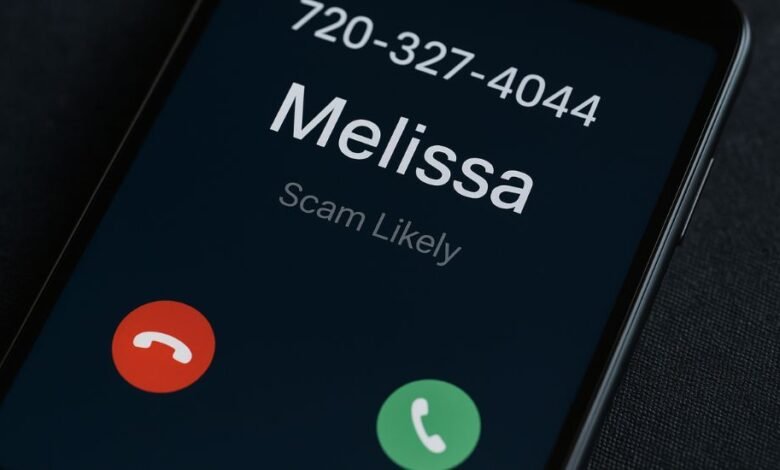
In an age where digital communication dominates our lives, unknown phone numbers have become both familiar and unsettling. One such number — 720-327-4044, often associated with a caller identifying as Melissa — has drawn attention across forums, blogs, and review platforms. People from different regions have reported strange calls or texts from this number, each with similar patterns: vague introductions, robotic messages, and persistent contact attempts.
The story of “7203274044 Melissa” has gone viral not just because of curiosity, but because it reveals something larger about online privacy, caller fraud, and the psychology of deception in the digital era. This article investigates the origin of the number, patterns behind such calls, reasons people fall for them, and how to stay safe in a world full of unsolicited contact.
1. The Number That Sparked Curiosity
The phone number 720-327-4044 carries the 720 area code — assigned to Colorado, USA, covering cities such as Denver, Boulder, and Aurora. But according to most reports, the calls have little or no relation to this region. Many users describe receiving messages that sound either automated or suspiciously impersonal.
Blog posts like BillionAdvisor.com and DigitalWaysInfo.com have discussed this number extensively. They mention that the caller introduces herself as “Melissa”, sometimes pretending to follow up on a prior conversation, ask a casual question (“Hey, are you free later?”), or even imply an urgent situation (“We need to talk about something important”).
What makes it suspicious is not just the tone — it’s the lack of context. People who never shared their number or who live outside the U.S. have also received these calls. This has led many to believe that “Melissa” is not a person, but a pattern — possibly a name used in mass-texting or scam campaigns.
2. Common Reports and User Experiences
Across multiple tech blogs, forums, and call-reporting sites, the experiences with 7203274044 Melissa follow a strikingly similar pattern:
- The caller or texter claims to be “Melissa” and greets the recipient casually, as if continuing a previous conversation.
- The voice often sounds either pre-recorded or generated by an AI text-to-speech program.
- When users attempt to respond, they receive scripted or irrelevant replies.
- In some cases, the message includes a link — typically shortened — that redirects to an unknown website.
On FatechMe.com, one blogger analyzed the text content and found evidence of mass automation. They concluded that the messages might be part of a larger “bot farm” campaign where names and numbers are rotated to appear authentic.
Meanwhile, DigitalWaysInfo.com traced similar activity from numbers registered under other U.S. area codes but using the same approach — friendly female names, casual tone, and phishing-style conversation starters.
3. The Psychology of “Melissa”: Why This Works
Scams often rely on familiarity and trust. The name Melissa is friendly, non-threatening, and common enough to sound believable. It could remind people of someone they once knew, a coworker, or even a classmate.
This is called the “false familiarity effect” — when something sounds familiar enough that people drop their guard. Many victims of scam texts report replying out of curiosity or politeness, thinking the sender had dialed the wrong number.
The problem is that a single reply (“Who is this?” or “You have the wrong number”) confirms that your phone number is active. Once confirmed, your contact can be sold or used for more targeted scams.
4. What the Blogs and Reports Say
Here are the key takeaways from various online sources that have analyzed “7203274044 Melissa”:
From BillionAdvisor.com:
They describe the number as a “high-risk spam entity” with multiple complaints about robocalls and phishing messages. The site labels it as unsafe and advises immediate blocking. The analysis suggests it could be linked to data-harvesting operations disguised as casual personal messages.
From DigitalWaysInfo.com:
This blog took a deeper look at how such numbers operate. It explains that scammers often buy bulk VoIP numbers that can appear to be from specific regions. Using inexpensive automation tools, they rotate identities (“Melissa,” “Kate,” “Sarah”) to send mass messages, each slightly different to bypass spam filters.
From FatechMe.com:
Their article approaches it as a case study in modern digital deceit. They note how artificial intelligence has enabled scammers to create human-like voices and responsive chatbots, making the “Melissa” calls sound increasingly natural. The piece calls it “a small symptom of a much larger problem: the humanization of scam technology.”
From RadarMagazine.com:
An opinion piece titled “The Impact of 7203274044 Melissa: A Personal Narrative” framed the phenomenon as a metaphor for modern digital anxiety. The author described the uneasy feeling of not knowing whether a call is real, automated, or malicious — comparing it to the erosion of human connection in the age of AI and mass communication.
5. Could “Melissa” Be an Actual Person?
While curiosity leads many to wonder whether Melissa exists, no verified evidence links any real individual to this number.
Several online users claim to have received slightly different versions of the same call — with identical voice tone, timing, or phrases. This suggests automation.
Additionally, reverse phone lookup tools reveal that the number has no legitimate business registration, and its ownership is masked through privacy protection services.
So, while it’s possible that an individual once owned the number, the current usage strongly indicates spoofing or VoIP fraud — meaning the caller ID could be faked entirely.
6. How Scam or Spam Calls Like This Operate
To understand 7203274044 Melissa, it helps to look at the bigger picture of digital scam infrastructure:
- Number Spoofing
Scammers use software to mask their real identity, displaying a false number on caller ID. The goal is to make the call appear local or personal. - AI-Assisted Messaging
Texts or calls may be generated by AI chatbots trained to simulate natural conversation, using pre-programmed names and phrases. - Engagement Phase
Once you reply, the scammer knows your number is active. They may continue to build trust or direct you to click a link, join a group chat, or share data. - Conversion Phase
Ultimately, the aim is to obtain personal or financial information — or to install spyware/malware through a link. - Data Monetization
Active numbers are resold on the dark web or to other scammers, multiplying the exposure.
This cycle thrives on the fact that people often underestimate casual-sounding messages. A friendly “Hi, it’s Melissa — remember me?” is far more effective than a generic “You’ve won a prize!” text.
7. Why the 720-327-4044 Case Became So Viral
Part of the reason for the number’s notoriety is the sheer familiarity of its approach. It doesn’t scream danger — it whispers normalcy. The fact that so many blogs, Reddit threads, and YouTube videos have discussed it shows how uneasy people are about digital impersonation.
In several posts, recipients of the message shared screenshots showing identical wording but slightly different punctuation or timing, suggesting automation.
Moreover, because Melissa is a common name, people’s curiosity fuels online searches — creating a feedback loop where the more people look it up, the more “famous” the number becomes. This inadvertently benefits spammers by boosting search visibility.
8. The Broader Lesson: Digital Trust in Decline
The Melissa incident underscores a troubling reality: trust is eroding online. Every call, text, or email now requires skepticism. While we’re taught to value connection, digital safety sometimes demands distance.
Technology that once brought people closer — instant messaging, free calls, AI assistants — is now exploited by bad actors to manipulate human instincts. The warmth of a name like Melissa becomes a tool of deception.
This shift reflects a new cultural anxiety: the fear of being fooled. And in that sense, 720-327-4044 isn’t just a number — it’s a symbol of our modern communication crisis.
9. How to Protect Yourself
If you ever receive a suspicious message or call — from 720-327-4044 or any unknown number — follow these steps:
1. Do Not Engage Immediately
Avoid replying or clicking any link in a message. Even a “Who is this?” response confirms your number is active.
2. Use Reverse Lookup Tools
Websites like TrueCaller, WhoCallsMe, and BillionAdvisor help identify user-reported spam numbers.
3. Block and Report
Both Android and iOS allow you to block numbers and report them as spam. Telecom providers often use these reports to filter calls at the network level.
4. Check for VoIP or Spoofing
Apps like Hiya can reveal whether a call is from a VoIP service — a common sign of fake origin.
5. Enable Call Filtering
Most modern smartphones and carriers now offer spam filtering or “silence unknown callers” features.
6. Educate Friends and Family
Older or less tech-savvy individuals are frequent targets. Share this knowledge with them to prevent further harm.
7. If You Shared Personal Data, Act Quickly
Change passwords, monitor financial activity, and notify your telecom or cybersecurity agency. In the U.S., you can report to the FTC; in Pakistan or India, the cybercrime authorities handle similar reports.
10. Ethical and Social Implications
The rise of AI-assisted scams poses ethical challenges for society. When fake voices and chatbots mimic humans convincingly, the lines between real and artificial communication blur.
Law enforcement agencies are racing to update regulations. Yet, enforcement remains limited because many such operations are international, using cloud-based systems and fake identities.
This means awareness becomes our first defense. Recognizing the tricks — like the “Melissa” narrative — helps people resist them before damage occurs.
11. “Melissa” as a Symbol of Modern Digital Loneliness
Interestingly, some commentators interpret “Melissa” as more than just a scam figure — as a metaphor for how disconnected people feel online. We crave genuine connection, yet face endless imitations of it: automated chats, algorithmic suggestions, virtual relationships.
In that sense, the eerie voice of Melissa is not just a fraud — it’s a mirror reflecting the state of our communication. Are we really talking to people anymore, or to programs pretending to be them?
This philosophical layer adds depth to the otherwise technical conversation about phone scams. It reminds us that behind every alert or suspicious message lies a larger question: what does authenticity mean in the age of automation?
12. Final Thoughts: What “7203274044 Melissa” Teaches Us
The story of 720-327-4044 Melissa is not simply about a mysterious number; it’s about how easily digital trust can be manipulated. Whether the caller is a scammer, a bot, or an AI voice experiment, the result is the same — confusion, concern, and erosion of confidence in simple communication.
As individuals, our responsibility is to remain alert. As a society, we must balance connectivity with caution. And as technology evolves, so should our ability to question, verify, and protect ourselves.
So, the next time you receive a message that begins with, “Hey, it’s Melissa — do you remember me?”, remember this article — and think twice before you reply.
Written and Published by ScrollBlogs
ScrollBlogs aims to inform readers about emerging digital trends, online scams, and internet culture — empowering you to navigate the web safely and confidently.