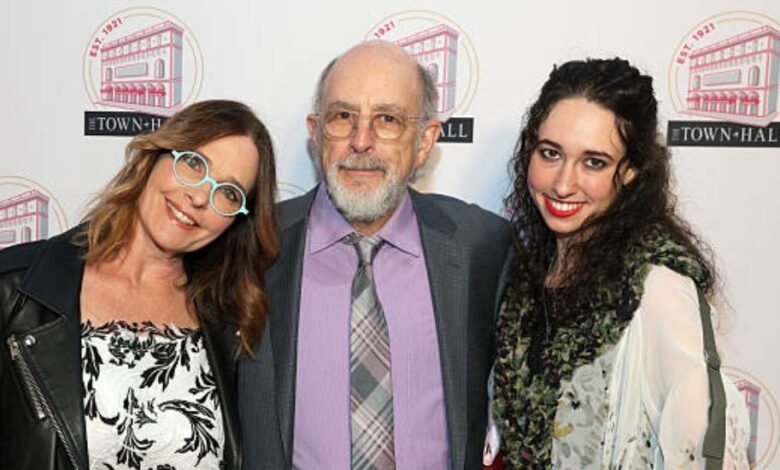
Richard Schiff is a celebrated American actor, director, and theater artist whose career spans over four decades in film, television, and stage. Known for his compelling performances and versatility, Schiff has become a recognizable name in Hollywood and beyond. From his Emmy-winning role in The West Wing to his acclaimed work on The Good Doctor, Schiff has left an indelible mark on audiences and critics alike.
Who Is Richard Schiff?
Born on May 27, 1955, in Bethesda, Maryland, Richard Schiff grew up in a family that valued education and ambition. He spent his formative years in New York City, where he developed a passion for the arts and theater. His early exposure to culture and intellectual pursuits would later shape his career in acting and directing.
Schiff is best known as an actor with incredible depth, capable of portraying both intense drama and subtle humor. His dedication to his craft and his ability to inhabit complex characters have made him a household name among fans of television, film, and theater.
Age and Early Life
As of 2025, Richard Schiff is 70 years old. Despite the challenges and competition in Hollywood, he carved out a successful career through perseverance and dedication. Growing up, Schiff was the second of three sons in his family. His upbringing in New York City exposed him to the theater scene early on, and he pursued formal education at the City College of New York (CCNY).
Before entering acting professionally, Schiff worked various odd jobs to support himself, including driving a taxi and cleaning bus wheels at Greyhound. These experiences gave him a grounded perspective on life and contributed to the authenticity he brings to his performances.
Family Background
Richard Schiff comes from a family with strong professional backgrounds. His father, Edward Schiff, was a real estate lawyer, and his mother, Charlotte Schiff, was a television and publishing executive. The family later expanded with the remarriage of his mother to Clarence B. Jones, a lawyer known for his work with Martin Luther King Jr.
Richard has two brothers: Paul Schiff, a film producer, and David Schiff, a talent manager. Growing up in such a family, surrounded by ambition and creative talent, likely inspired Richard to pursue a career in the arts.
Marriage and Children
In his personal life, Richard Schiff is married to Sheila Kelley, an accomplished actress. The couple tied the knot in 1996 and have maintained a relatively private family life. Together, they have two children: a son, Gus, and a daughter, Ruby.
Schiff’s family life has always been important to him, and he has spoken in interviews about the joy and fulfillment he derives from balancing his demanding career with his responsibilities as a husband and father.
Richard Schiff’s Career in Acting
Theater Beginnings
Richard Schiff began his career in the theater, serving as the artistic director of the Manhattan Repertory Theater. He directed several off-Broadway productions, including Antigone, and appeared in Broadway productions such as Glengarry Glen Ross alongside Al Pacino. His theater work honed his skills and gave him the discipline needed to succeed in television and film.
Breakthrough with The West Wing
Schiff’s major breakthrough came with the critically acclaimed television series The West Wing (1999–2006). He played Toby Ziegler, the White House Communications Director, a role that earned him widespread recognition and an Emmy Award. His portrayal of Ziegler was praised for its depth, intelligence, and emotional nuance. Schiff even directed an episode of the show titled “Talking Points,” marking his directorial debut in television.
Television and Film Roles
Beyond The West Wing, Richard Schiff has been a fixture on both television and the big screen. He is well known for his role as Dr. Aaron Glassman on the ABC hit medical drama The Good Doctor, which brought him renewed acclaim and introduced him to a new generation of viewers.
He has appeared in numerous films, including:
- The Lost World: Jurassic Park
- Se7en
- I Am Sam
- Ray
- Man of Steel
- Deep Impact
His television appearances also include recurring roles in Ballers (HBO) and Counterpart (STARZ), showcasing his adaptability across genres.
Voice Work
In addition to on-screen roles, Schiff has lent his voice to video games, including voicing Odin in God of War: Ragnarök, highlighting his versatility as a performer.
Net Worth
Richard Schiff’s net worth is estimated to be around $5 million. His wealth comes primarily from his work in television and film, along with his theater endeavors and directing projects. Over the years, he has built a solid reputation in Hollywood, and his consistent work ethic continues to contribute to his financial success.
Awards and Achievements
Throughout his career, Schiff has earned numerous accolades:
- Primetime Emmy Award for The West Wing
- Multiple Emmy nominations for his role as Toby Ziegler
- Honorary doctorate (Doctor of Humane Letters) from CCNY in 2004
- Recipient of the Townsend Harris Medal from CCNY in 2000
His achievements reflect both his talent and his dedication to his craft.
Personal Life and Interests
Richard Schiff is also known for his involvement in public and political life. He serves on the National Advisory Board of the Council for a Livable World, reflecting his commitment to civic engagement and social causes.
Despite his public career, Schiff remains grounded. He often credits his family, early life experiences, and theater background for his strong work ethic and balanced perspective on life.
Legacy and Influence
Richard Schiff’s career demonstrates the power of dedication and versatility. From his early theater work to iconic television roles, he has left a lasting impact on audiences worldwide. Actors, directors, and fans alike admire him not only for his talent but also for his integrity and professionalism.
His performances have inspired countless aspiring actors, showing that perseverance, adaptability, and passion can lead to a fulfilling career in the entertainment industry.
Richard Schiff continues to work actively in both television and film, delighting audiences with his remarkable talent. He remains a respected figure in Hollywood, admired for his contributions to the arts, his dedication to family, and his consistent professionalism.
For more detailed biographies and celebrity updates, visit scrollblogs, your go-to destination for entertainment insights and celebrity news.